
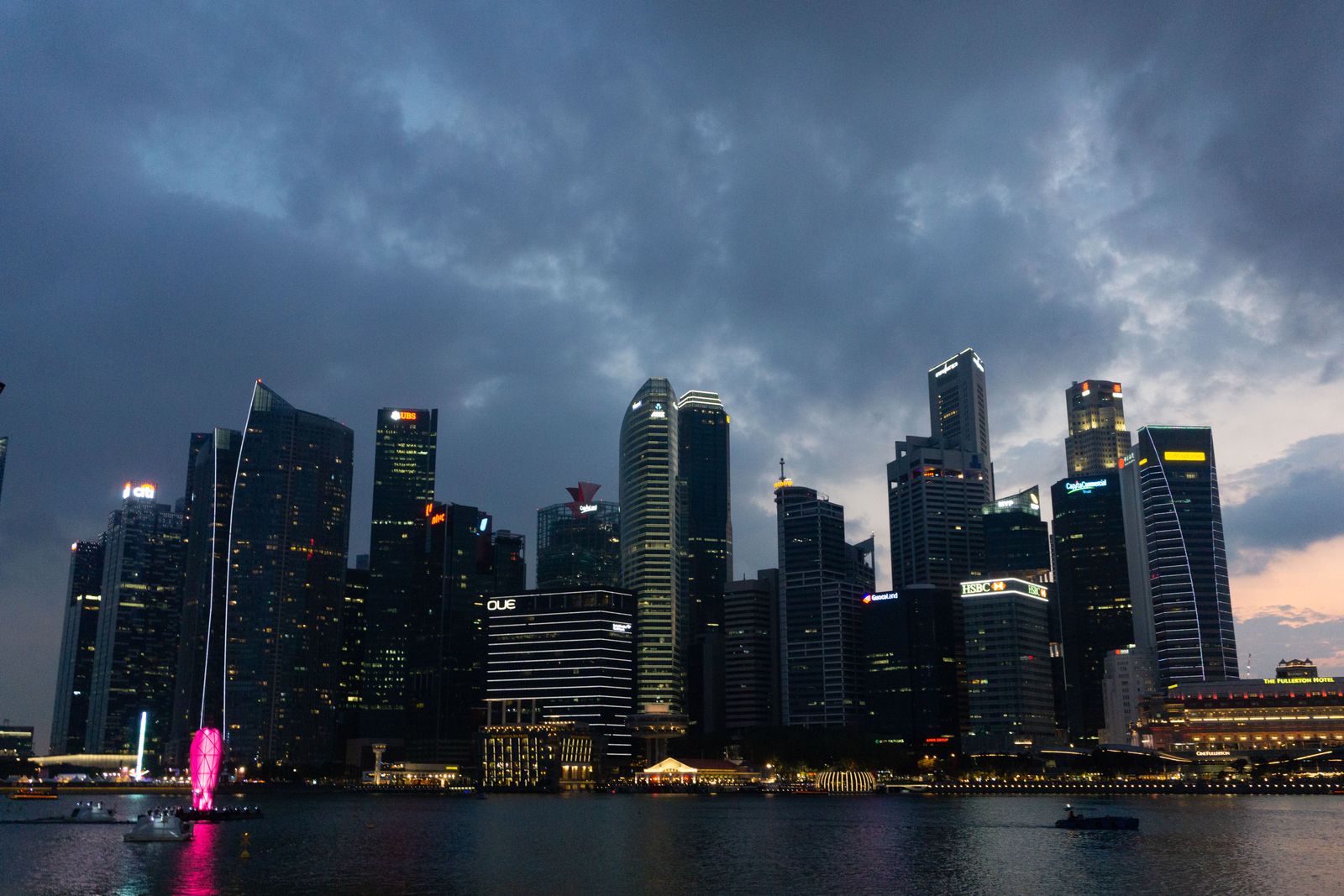
Thousands of Australians live and work in Singapore. Many are earning well, paying lower taxes than they would in Australia, and building savings at a rate that's hard to match back home. At some point — sometimes three years in, sometimes seven — most of them start asking the same question: can I actually buy property in Australia from here?
The short answer is yes. It's more straightforward than most people expect, subject to lender assessment and your individual financial position. The process isn't frictionless — there's documentation, income assessment, and lender selection to navigate — but the obstacles are procedural, not fundamental. Your status as an Australian citizen or permanent resident is the most important factor, and for the majority of people reading this, that box is already ticked.
This guide walks through what the process looks like in 2026 — from first enquiry to settlement logistics — so you have a clear picture before you start.
TL;DR: Australian citizens and permanent residents in Singapore can apply for Australian home loans remotely. Pre-approval can be as fast as a week from a complete file, subject to lender assessment. Neither citizens nor permanent residents need FIRB approval, and citizens are exempt from foreign buyer stamp duty surcharges in every state. Expat loans currently top out at 80% LVR, and lenders accommodate SGD income subject to individual assessment.
Is It Actually Possible to Buy Australian Property While Living in Singapore?
Yes. This isn't a niche transaction. It's a well-travelled path with established lender policies and brokers who handle it every day. The process is documented, the lender policies exist, and the pathway is clear.
The most persistent myth in this market is that you need to be physically in Australia to buy. That's not accurate. Property searches happen online, lenders operate via digital platforms, and Australian conveyancers manage settlement without needing you in the country. Some documents can be signed electronically; others need a wet signature witnessed by an authorised person in Singapore, such as a notary or the Australian High Commission, depending on the lender. The time zone difference — Singapore is 2–3 hours behind the East Coast — creates minor scheduling considerations. It doesn't create barriers.
In our experience working with Singapore-based clients, the most common reason an application stalls isn't lender policy — it's the document pack. Clients who come to us with organised payslips, IRAS notices of assessment, and a clean employment letter move through the process significantly faster than those who don't.
How Does Citizenship Affect Your FIRB and Stamp Duty Obligations?
Australian citizens living overseas don't need Foreign Investment Review Board (FIRB) approval to buy residential property in Australia. A citizen living abroad can technically fall within the definition of a "foreign person", but the Foreign Acquisitions and Takeovers Regulation 2015 (section 35) exempts land purchases by Australian citizens who are not ordinarily resident in Australia. That's a significant distinction from foreign nationals, who must apply before buying and are generally banned from buying established homes until 30 June 2029 under current Government policy.
Stamp duty surcharges are where the citizenship distinction matters most practically. Most Australian states charge an additional surcharge on top of standard stamp duty for "foreign" buyers. What many Aussie expats don't realise: Australian citizens are exempt from these surcharges in every state, even when living overseas. Revenue NSW, for example, states that an Australian citizen is not a foreign person under any circumstances, whether or not they live in Australia.
This is one of the most commonly misunderstood points in the expat property market. Many Aussies living in Singapore assume they'll be treated the same as a Singaporean national buying Australian property. They won't. Citizenship changes the transaction materially — both in terms of FIRB requirements and the stamp duty calculation.
What About Australian Permanent Residents?
Permanent residents don't need FIRB approval either. Holders of an Australian permanent visa can buy residential property, including an established home, without applying, wherever they live (Foreign Acquisitions and Takeovers Regulation 2015, section 38(2); FIRB Guidance Note 6, Example 13).
Stamp duty is where PRs differ from citizens. In NSW, a permanent resident who has spent fewer than 200 days in Australia in the 12 months before the contract can be treated as a foreign person for surcharge purposes, and NSW can also apply an annual surcharge land tax. The other states don't apply the surcharge to PRs living overseas. If you're a PR buying in NSW, confirm your position with a conveyancer before exchanging contracts.
If you're buying with a partner who is neither an Australian citizen nor a permanent resident, the rules change again. The FIRB exemption for that partner generally applies only if you buy as joint tenants, not as tenants in common. Get advice from a property lawyer on how you'll hold the property before you sign.
What Are the Steps to Getting Approved From Singapore?
Pre-approval for Australian expats in Singapore can be as fast as a week from a complete file submission, subject to lender processing times. The critical phrase is "complete file" — applications that take longer do so almost always because of missing documentation, not lender bottlenecks.
The process follows four stages:
Stage 1 — Capacity snapshot and policy fit (24–48 hours)
Your SGD income is converted to AUD, a shading factor is applied, and your borrowing range is projected across lenders that accept your income structure. This stage answers the "can I borrow enough?" question before you invest time in a specific property.
Stage 2 — Document pack and risk clean-up (5–10 days)
Employment letter, payslips, IRAS notices of assessment, bank statements, and any credit history items are assembled into a lender-ready file. This is where most expat applications succeed or fail. In our experience, submitting to the wrong lender, or with an incomplete file, means starting again, typically a 6 to 8 week setback.
Stage 3 — Submission, lender queries, and negotiation (7–20 business days)
The application is submitted. Lender queries are managed, loan structure is optimised, and valuation is ordered. This stage requires responsiveness — turnaround windows on lender queries are typically 24–48 hours.
Stage 4 — Approval, FX, and settlement support
Once conditional approval is received, conveyancers are engaged, FX is coordinated for the deposit, and settlement is managed through to completion.
What Documents Do Singapore-Based Applicants Need?
For Singapore-based expats, the standard document requirements are consistent across most lenders, though some ask for additional items depending on income structure. The core pack includes:
- Last 3 months' payslips (in English; if in another language, certified translation)
- Current employment contract showing role, base salary, and start date
- Last 2 years' IRAS Notices of Assessment (Singapore income tax assessments)
- 3–6 months' primary bank statements showing salary credits
- Australian passport confirming citizenship (or PR evidence)
- Any bonus, RSU, or allowance documentation if these are part of your income claim
The IRAS assessments are particularly important. They confirm your actual taxable income in Singapore. Some lenders assess your income as if it were taxed at Australian rates; others work from what you actually pay, and the IRAS notices are how they verify it. That distinction can change your assessable income materially.
How Much Can You Borrow?
Your borrowing capacity depends primarily on which lender assesses your file and how they treat SGD income.
Australian lenders shade SGD income before calculating what you can borrow, and each sets its own figure; most don't publish it. Some also apply Australian tax rates to your income on top. Lenders that shade more lightly and work from your actual Singapore tax can support a considerably larger loan on the same underlying income.
Your deposit sets the other limit. The expat home loan products lenders currently publish top out at 80% LVR, for citizens and permanent residents alike, so plan around a deposit of at least 20% of the purchase price, plus costs such as stamp duty.
Subject to lender assessment, outcomes vary by income structure, lender policy, and individual financial position.
What Do Settlement Logistics Look Like When You're in Singapore?
Settlement is managed remotely by an Australian conveyancer, usually through electronic settlement, with any documents that need a wet signature witnessed in Singapore. What you actually need to manage from Singapore is responsiveness during the lender query window, and having your deposit funds in AUD when they're needed.
If your deposit or settlement funds are held in SGD, they'll need to be converted to AUD before settlement. Work out when the funds are due and arrange the transfer in good time.
Singapore's time zone sits 2–3 hours behind Australian Eastern time (depending on daylight saving). The overlap with Australian business hours is substantial. Most lender queries, conveyancer calls, and bank approvals happen within normal business hours for both sides. The time zone is manageable with some diary coordination.
The most common friction we see during settlement isn't documents — it's response time. Lender queries during the submission window typically need a 24–48 hour turnaround. Clients who stay on top of incoming queries move through this stage smoothly.
Frequently Asked Questions
Do Australian expats in Singapore need FIRB approval to buy property?
No, if you're an Australian citizen or permanent resident. Citizens living overseas are exempt under section 35 of the Foreign Acquisitions and Takeovers Regulation 2015, and permanent visa holders don't need approval either, including for an established home (section 38(2)). If you're buying with a partner who is neither a citizen nor a permanent resident, the exemption for that partner generally applies only if you buy as joint tenants. Confirm your position with a property lawyer before signing.
How long does pre-approval take from Singapore?
From a complete file, pre-approval can be as fast as a week, subject to lender assessment and processing times. The single most common delay is an incomplete document pack — particularly missing IRAS notices of assessment, insufficient payslips, or undocumented bonus income. Getting the document pack right upfront makes a material difference to timeline.
Can I use a Singapore-based buyer's agent to search for Australian property?
Singapore-based buyer's agents or property advisory services can assist with property research and market analysis. The contract, conveyancing and settlement are handled by an Australian conveyancer or solicitor in the state where you're buying. Your Australian conveyancer manages the legal side; your broker manages the loan.
What is the foreign buyer stamp duty surcharge, and does it apply to me?
Most Australian states charge a surcharge on top of standard stamp duty for "foreign" purchasers. Australian citizens are exempt in every state, even when living overseas. Permanent residents living overseas are exempt everywhere except NSW, where a PR who has spent fewer than 200 days in Australia in the 12 months before the contract can be caught. Always confirm your specific stamp duty liability with a conveyancer before exchanging contracts.
Conclusion
Buying Australian property from Singapore is a well-established process when it's managed correctly. The foundations that matter: knowing how your SGD income will be assessed, having a complete document pack ready before you start, and working with a broker who builds expat files for the lender's model — not just submitting to the first lender that says yes.
The pre-approval clock starts from a complete file. The gap between when you first enquire and when you have a complete file is where most of the time goes.
If you'd like to understand what you can borrow based on your current SGD income and financial position, a borrowing capacity check is the right starting point — it's quick, there's no obligation, and it gives you a clear picture before you begin looking at specific properties.
Aussie Expat Home Loans holds Australian Credit Licence 509125. This content is general in nature and does not constitute financial advice, tax advice, or legal advice. Borrowing outcomes vary by income structure, lender policy, and individual financial circumstances. Always seek independent financial, legal, and tax advice before making property or lending decisions. FIRB and stamp duty information is indicative only — confirm your specific obligations with a qualified conveyancer.

.png)